
How to Get Lee County Court Records
Skip the general County Clerk. Each division holds its own docket. Sara Clark's Superior Court office keeps Superior criminal and civil filings, warrants, divorce matters, and the major civil records. Magistrate handles its claims, dispossessory files, and warrants. Probate holds estates, guardianships, marriage licenses, and vital-record material, while the municipal clerks keep city citation and ordinance cases. Juvenile records sit behind a restricted court process all their own.
- Identify the court, case number, case type, filing date, and exact document or event.
- For Superior, use Georgia Courts E-Access and follow Lee Superior to PeachCourt.
- For Magistrate civil files from 2023 forward, try CM Web Search. Use the Annex for older or unavailable material.
- Call the custodian to ask whether the file is public and whether plain, certified, or transcript service is needed.
- Visit the counter or mail a focused request with contact and delivery details. Ask for current fees and payment methods first.
- For a county record outside the courts, use Lee County's Open Records form. Court requests stay with the named court.
Sara Clark Keeps Superior Records
Sara Clark serves as Clerk of Superior Court. Her office sits at 100 Leslie Highway, PO Box 49, Leesburg, GA 31763. The office opens Monday through Friday, 8:00am to 5:00pm. Reach her staff at 229-759-6018, fax 229-759-6049, or email sara.clark@gsccca.org. Beyond keeping court records, this office files criminal cases, warrants, and divorces. It also handles adoptions, name changes, habeas matters, damages suits, garnishments, and repossessions.
Superior Court Record Custodian
Sara Clark, Clerk of Superior Court
100 Leslie Highway, Leesburg, GA 31763
229-759-6018
Monday-Friday, 8:00am-5:00pm
For an older docket, a missing document, a certified copy, or a case you cannot pin down, the public counter is the sound route. Magistrate requests go elsewhere: 104 A Leslie Highway, 229-759-6016 or 229-759-6031.
Types of Lee County Court Records
A docket is only the first layer of Lee County court records. Think of it as a chronological index of filings, settings, orders, and outcomes. The filed document is the real thing. That means the complaint, answer, motion, indictment, order, judgment, notice, or exhibit named in that index. A certified copy carries the clerk's authentication. A portal view of the docket is not a certified copy.
- Superior criminal and major civil pleadings, orders, and judgments
- Magistrate claims, dispossessory papers, summonses, and lower-court entries
- Probate estate, guardianship, marriage, and authorized vital records
- Municipal traffic and ordinance case files
- Transcripts prepared by the assigned court reporter, when available
Transcripts are a different matter. The clerk does not automatically store one as a docket attachment, so ask which court reporter covered the hearing and get the cost and delivery time from that source.
PeachCourt Document Buttons
Georgia's directory routes Lee Superior searches to PeachCourt. Registering a free account takes a name, email, and password. It also takes a secret question and answer, a reCAPTCHA, and acceptance of terms. Even then, a case entry may show an event with no View button beside it. Sealed, adoption, proposed unsigned, excluded, or otherwise unavailable documents can stay out of reach. The provider warns that document and e-access charges may apply. Current help has described access at $0.50 per page plus a convenience fee. An e-access charge can also vary. Check the provider's live fee page before you order anything. And remember: a missing button is a reason to call the clerk. It is not proof the filing does not exist.
What Lee County Records Contain
Contents vary by case and court, so pull the exact caption and number to avoid a same-name mix-up.
| Header | Court, case number, case type, filing date, judge, and status. |
|---|---|
| Parties | Case caption and counsel of record where public. |
| Register | Filed events, service, motions, orders, hearings, and judgment. |
| Settings | Event date and type, with judge or place when published. |
| Documents | Images or links where the court and access level permit them. |
| Restrictions | Redacted fields, sealed pages, or a restricted case shell. |
The Lee County case search can find the number before you ask for copies. When you copy it, keep the punctuation and year exactly as the official notice shows them.
GSCCCA Is Not Every Docket
The Georgia Superior Court Clerks' Cooperative Authority supplies property and UCC indexes plus eCertification. It is not a general Lee criminal or civil case portal. The distinction matters. The Superior clerk records deeds, liens, plats, UCCs, and court files. But these databases serve different record sets. The GSCCCA navigation shows its filing and search services.
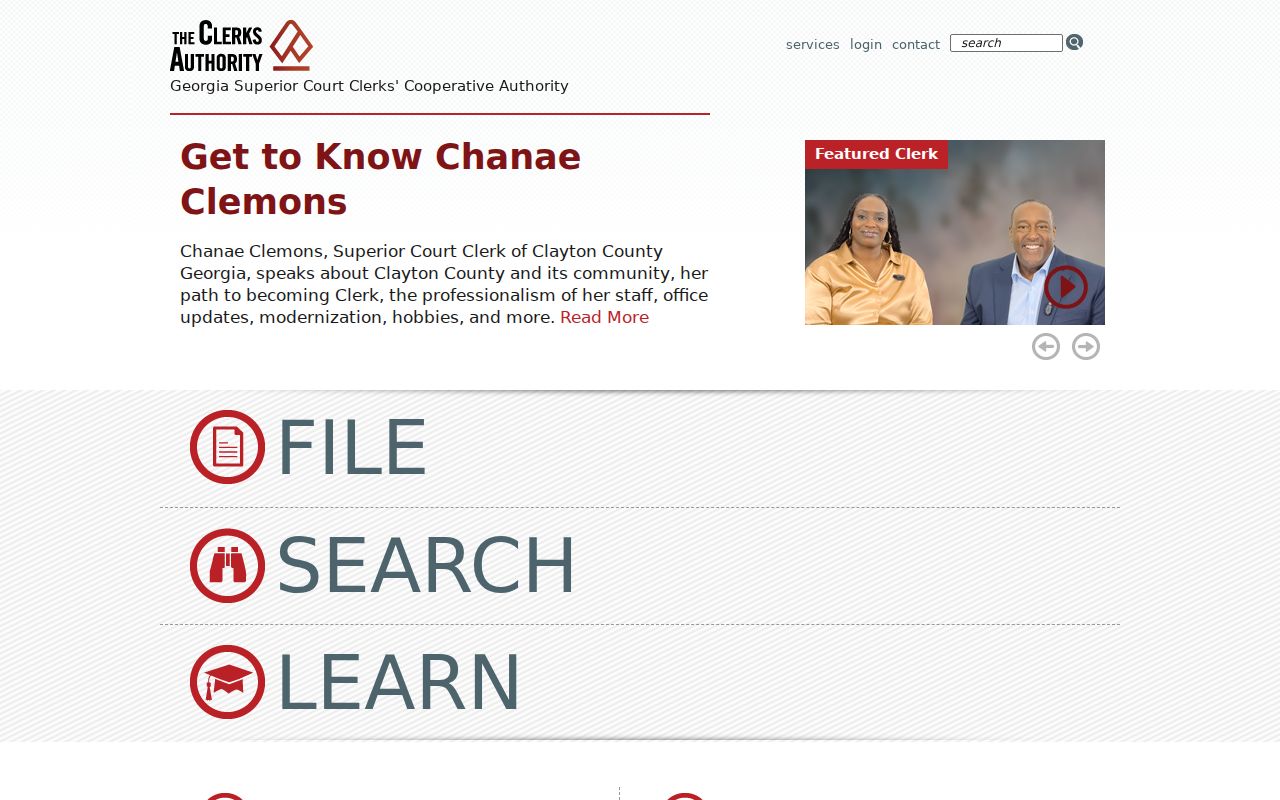
The interface is built for property and certification work. PeachCourt and Sara Clark's office remain the main Superior case-record routes. The GSCCCA login notice also identifies an account route and clerk-office access.
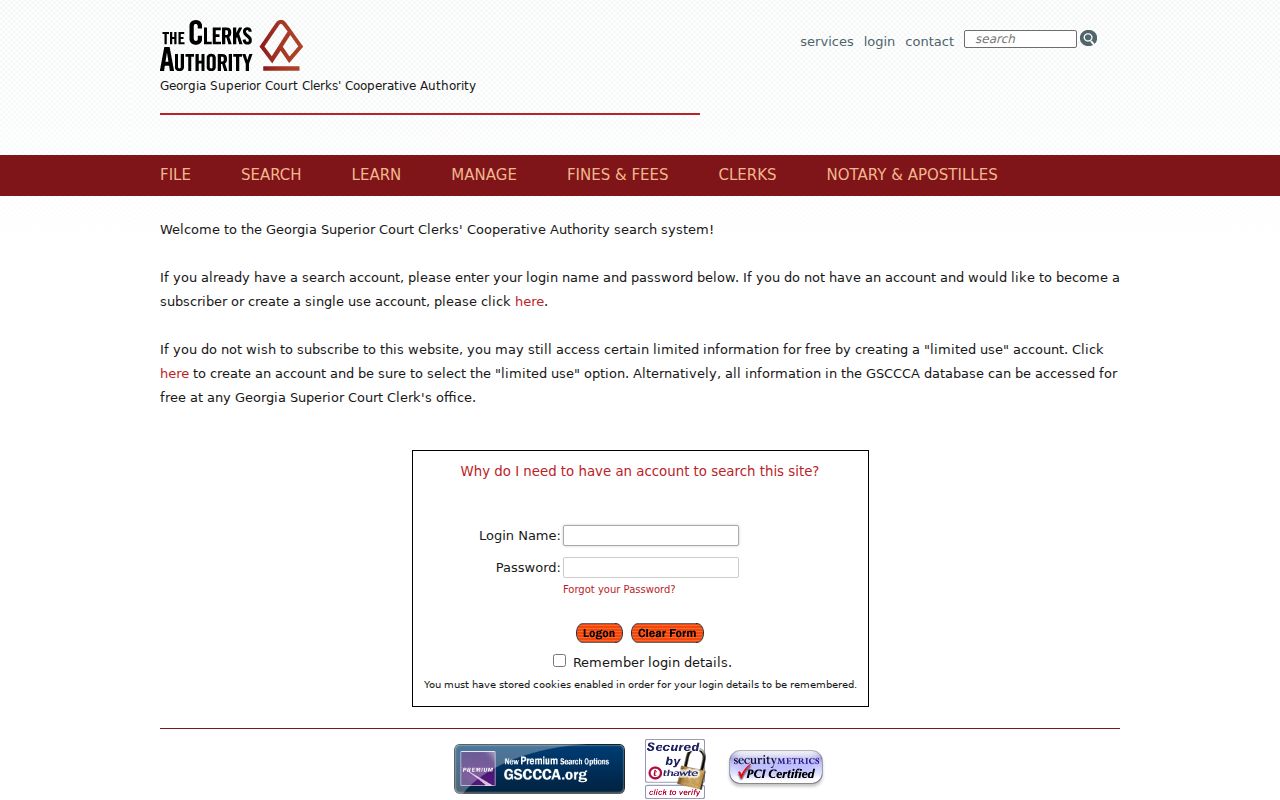
That notice says database information is free to view at Georgia Superior Court clerk offices. Free viewing, though, is not free copies, and it says nothing about sealed court pages.
Certified Copies and Lee County Fees
Ask the recipient what they actually need. A screen view? Plain copy, certified copy, transcript? Lee Superior's official page posts no current certified court-copy price, so confirm the amount, ID, payment type, and delivery time with Sara Clark's office.
| Request | Published Cost | Route |
|---|---|---|
| County open-record copy | $0.10 per letter/legal page; first 15 minutes free | County custodian, not a substitute for court routing |
| Probate vital record | $25 first certified copy; $5 additional | Probate with photo ID; not a Superior court-copy fee |
| PeachCourt document | Provider states generally $0.50 per page plus fees | Check current provider terms |
| Superior certified record | Not published | Ask Sara Clark's office |
| Magistrate copy | Use current court fee PDF | Ask the Magistrate clerk |
Probate's vital-record fee does not apply to a Superior judgment or a Magistrate file. Each office sets its own service.
Lee County eCertification Route
GSCCCA runs digital certified-document requests for participating records and counties. Check availability inside the service itself. An account alone does not make every court filing eligible. The official eCertification interface shows the request and authentication functions.
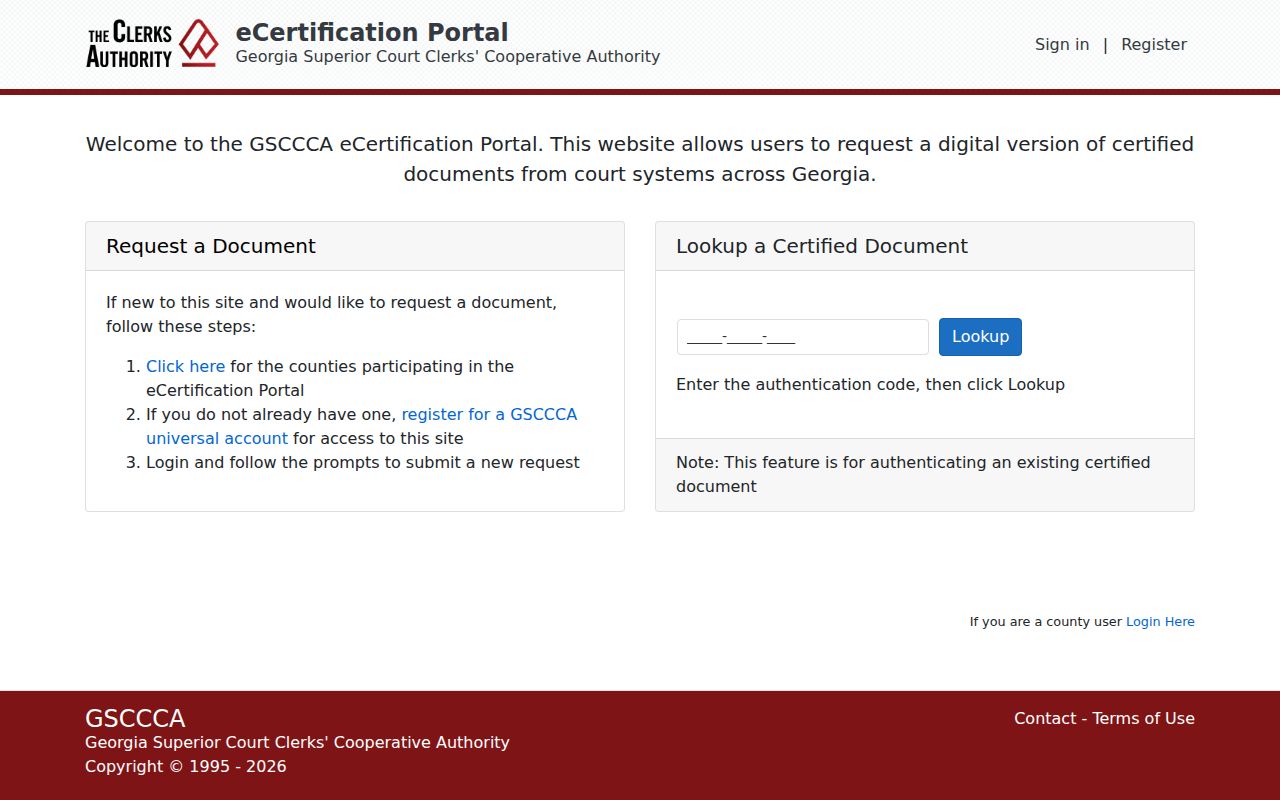
Enter the exact court, case, or instrument details. If the Lee County court record you need is not offered, go back to the responsible clerk for a certified paper or another approved copy.
Open Records and Court Routing
Georgia's Open Records Act, O.C.G.A. sections 50-18-70 through 50-18-77, presumes government records are open, subject to exemptions. It also sets timing and fee rules. Lee County wants a specific date range, subject, record type, and author in any request. The office contacts a requester within three business days with a production timeline. Note the catch: the county routing table sends criminal and civil court records to Superior Court. A mail or counter request should include the court, case number, case type, and document title. Add the event date, date range, plain or certified copy choice, your contact, delivery method, and a fee question. The county form fits general county records well. It is no shortcut around the court custodian.
Public and Sealed Lee Records
Most Lee County Superior records sit in the open under Uniform Superior Court Rule 21.
Inspection stays available unless a statute or the rule's own sealing process closes the file.
Rule 21.6 goes further. It pulls protected identifiers and sealed pages out of the public court docket even when the rest remains viewable.
Some Lee case types carry extra limits. Juvenile files and adoptions lead the list. Protected family material and restricted criminal-history information sit close behind. Each may require a special process before a clerk releases them.
So a public docket can still hide a sealed page inside it.
Missing is not erased. Check the court class, spelling, date, transfer, and clerk before concluding that a case never existed.
A court order or applicable law controls sealed access. The clerk can explain the status but cannot ignore that limit.
A portal result never outweighs the clerk's official copy. If part of a Lee County file looks restricted, ask the clerk which portion is sealed and whether a lawful inspection process exists.
Federal Records Near Lee County
Federal court records live apart from Lee County trial dockets. The Middle District of Georgia's Albany Division handles federal matters for the area. Federal bankruptcy sits at its own Albany location.
PACER covers federal cases for a docket search by party or case number. It bills under its current national fee rules.
The official PACER home page lays out the federal search and account options.
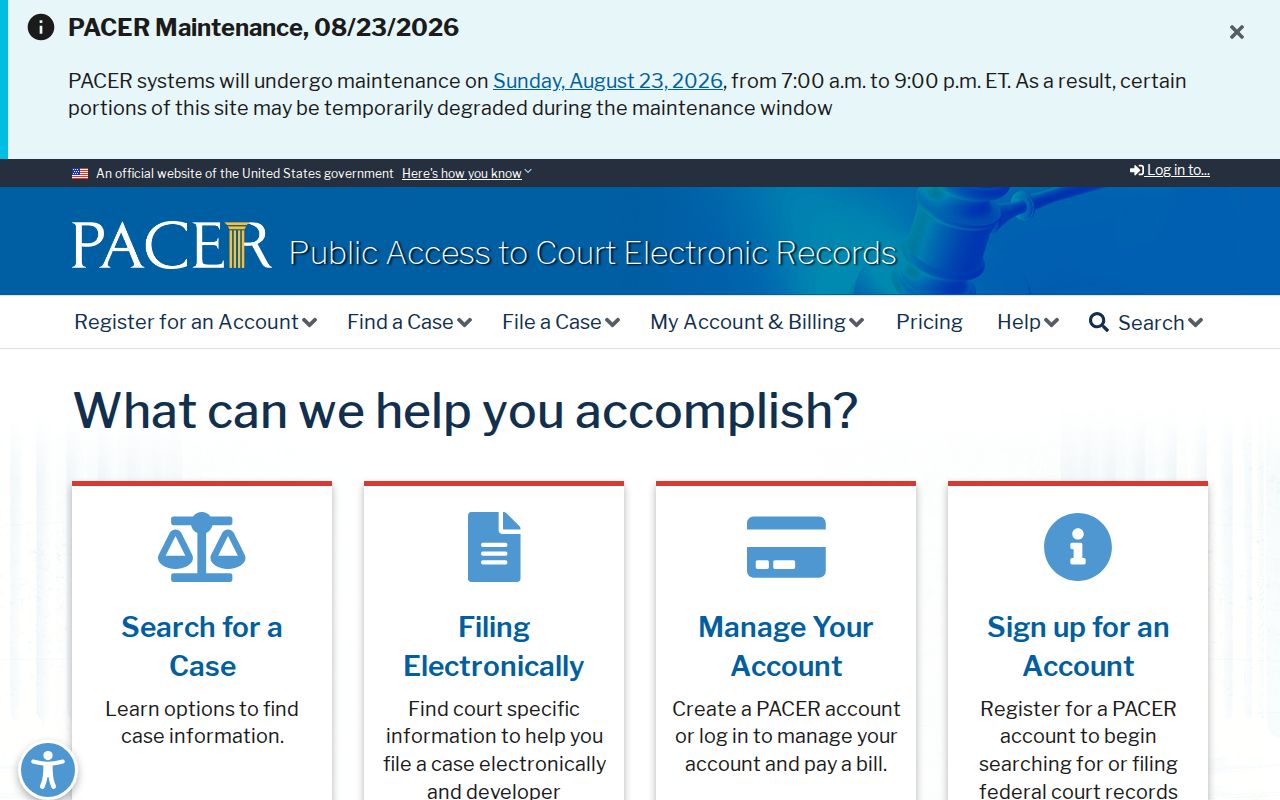
Save PACER for federal filings only. A Lee Superior, Magistrate, Probate, or municipal case does not become a federal record just because the parties live in Lee County.