
How to Search the Smithville Court Docket
Read the citation before you call. Write down the issuing agency, the citation number, the alleged violation, the issue date, and the appearance date. The city's official pages offer no Smithville citation-number search, no party-name form, no calendar, and no payment vendor. Calling City Hall is the practical route. Just remember the person on the general line may not be the municipal court clerk. Ask for routing.
- Copy the citation number and court name exactly.
- Call City Hall at 229-903-5537 during its published hours.
- Ask to be routed to Smithville Municipal Court.
- Give the citation number and request the current setting and status.
- Ask how to obtain a plain or certified record.
- If the notice names a county court, contact that clerk instead.
A web search that turns up nothing is normal here. It proves nothing about your case. A citation can still be pending processing, so ask about that and find out when to call back.
Smithville Court Docket City Hall Fallback
City Hall is the official fallback. The address is 116 Main Street, Smithville, GA 31787. The city lists 229-903-5537, fax 229-575-9910, and smithvillecity@bellsouth.net. Published City Hall hours run Monday through Friday, 8:00 a.m. to 5:00 p.m. Those aren't court hours. They're office hours, so ask for Municipal Court and confirm when its clerk can respond.
The general contact form asks for First Name, Last Name, Email, Phone Number, and Message. Put the citation number and a brief request in the message box. Skip sensitive identifiers. Ask for routing, the current court date, and how to request the public record.
The official City Hall contact page lists these channels.
That page documents a fallback channel, not a municipal docket portal. Direct routing is still required.
The Smithville Municipal Court Docket
The city departments page says Smithville Municipal Court is part of Georgia's integrated judicial system and serves the City of Smithville. That confirms the court exists and what it covers. It names no judge, clerk, separate address, calendar, court hours, or case-search tool.
Municipal jurisdiction covers city traffic and ordinance matters as a rule. A felony, major civil case, divorce, estate, or county warrant search belongs elsewhere, even if the events happened inside city limits. The court name printed on the paperwork controls. When the case type is unclear, request routing rather than guessing.
The thin web presence is actually a hint. Arrive with exact record keys. The citation number works best, and the issuing agency, date, and printed name help the municipal clerk pick out the right record.
No Smithville Court Docket Portal
Smithville offers no official case search, pay form, or municipal calendar online. A docket is still kept. It simply isn't public through a database, so a city record may exist only through the responsible clerk's process.
Do not borrow another city's rules: Leesburg's calendar, deadline, continuance practice, and payment terms are not Smithville rules and should never be substituted without a Smithville source.
Skip third-party instant-record tools too. They can't confirm the latest setting or the responsible clerk. Reach Municipal Court through City Hall, and write down the date, the person you spoke with, and the instructions you got.
Smithville Court Dates and Settings
The city posts no public municipal calendar. The date on the citation is your first lead, but Municipal Court must confirm it still stands. A later notice, reset, or court instruction can override the original date.
| Date | Use the citation date until Municipal Court confirms a change. |
|---|---|
| Time | Ask whether the time is a docket call or individual setting. |
| Location | Ask for the exact court location; do not assume City Hall. |
| Judge | No judge is published on the accessible city pages. |
| Setting Type | Ask whether it is arraignment, trial, compliance, or another event. |
Repeat the confirmed details back to the clerk. If the date changed, request written confirmation. A phone note helps, but an official notice or docket entry carries more weight.
Smithville Court Hours Versus City Hours
The city publishes City Hall hours, not Municipal Court hours. That difference matters. A building can be open while a court counter sits closed or a clerk is out. Call first if you plan to deliver a request or get a copy.
Ask three direct questions. When does Municipal Court take calls? Where do you request records? Where will the hearing happen? Those answers prevent a wasted trip, and no map is needed when the court location itself hasn't been officially published.
Smithville Traffic Ticket Dockets
A citation naming Smithville Municipal Court should be traced through that court. Don't assume you can pay online. The city publishes no payment portal, fine schedule, plea procedure, or mandatory-appearance list. Ask the court whether payment is allowed. Ask what plea it enters, the current amount, and the deadline.
Georgia Courts notes that the state has no centralized traffic-citation database. A citation may take seven to twenty-one days to appear in a local system. Treat that state page as a routing aid, not a Smithville docket. If a new ticket isn't showing yet, ask when local processing should finish. Then follow up.
The broader Lee County traffic court records page explains court routing. Smithville-specific status still comes from Municipal Court.
Smithville Court Docket Local Context
Smithville counted 593 residents in the 2020 Census, per TigerWeb's incorporated-place table. That is tiny even by city standards. The Georgia Department of Community Affairs lists Smithville as one of only two incorporated cities in Lee County. A place this small can handle its court docket by phone and front counter instead of a web portal. Census figures say nothing about actual filings or caseload.
The official Census incorporated-place table provides the population row.
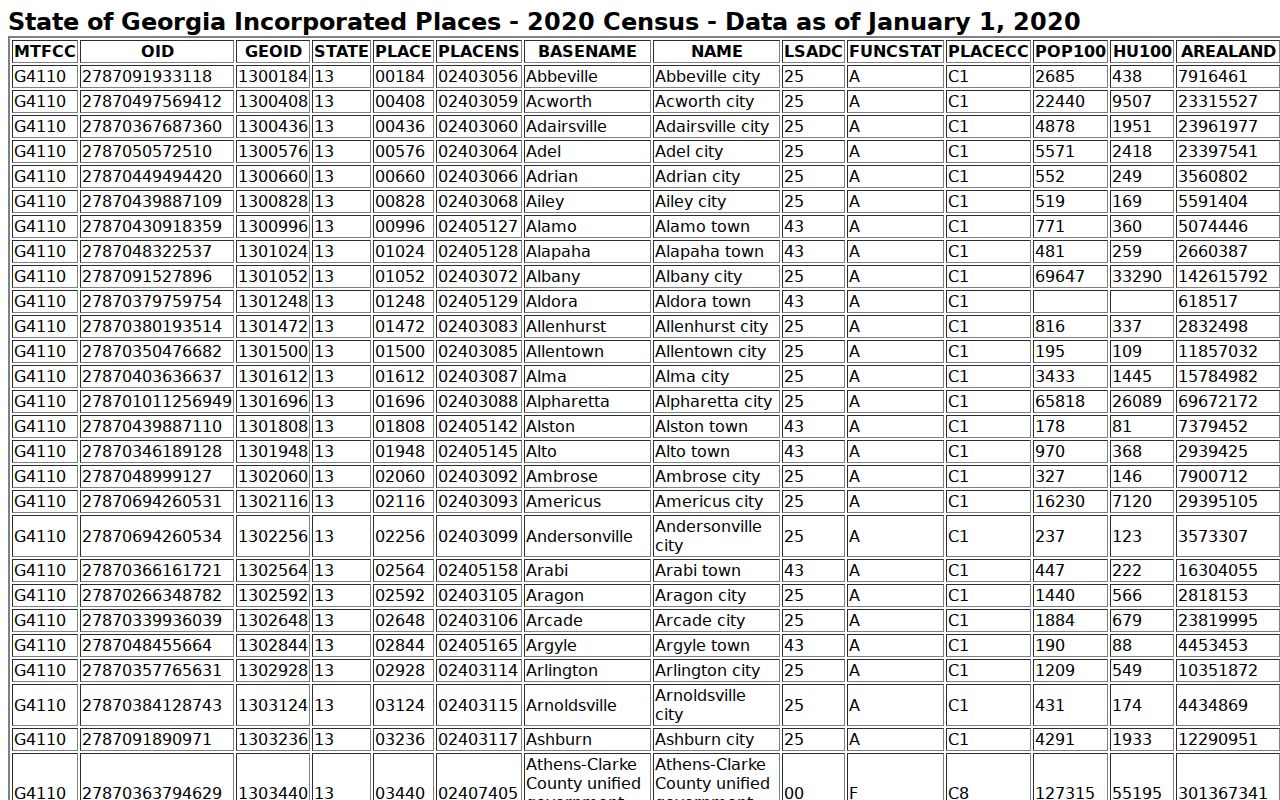
City context only: Smithville publishes no annual citation count.
Where Smithville Court Cases End Up
A city traffic or ordinance matter stays with Municipal Court whenever the citation says so. Felonies and major civil matters go to Superior Court instead. Magistrate Court can hold warrants, preliminary hearings, county ordinance cases, and civil claims of $15,000 or less. Probate and Juvenile matters sit with their own offices.
Docket flow: Smithville Municipal Court › Lee County Courts › Superior Court of Lee County
That is only a routing map. Not every Smithville case advances that far. For deeper detail on each county system, see the Lee County court docket overview.
Two Cities, Different Docket Visibility
Lee County has exactly two incorporated cities. They are Leesburg and Smithville, both named on DCA's official planning page. Leesburg posts a calendar and detailed citation pages. Smithville's web presence stops at naming Municipal Court and listing general City Hall contacts. Same municipal status, very different docket visibility. The DCA planning source documents the two-city framework behind the county's comprehensive plan.
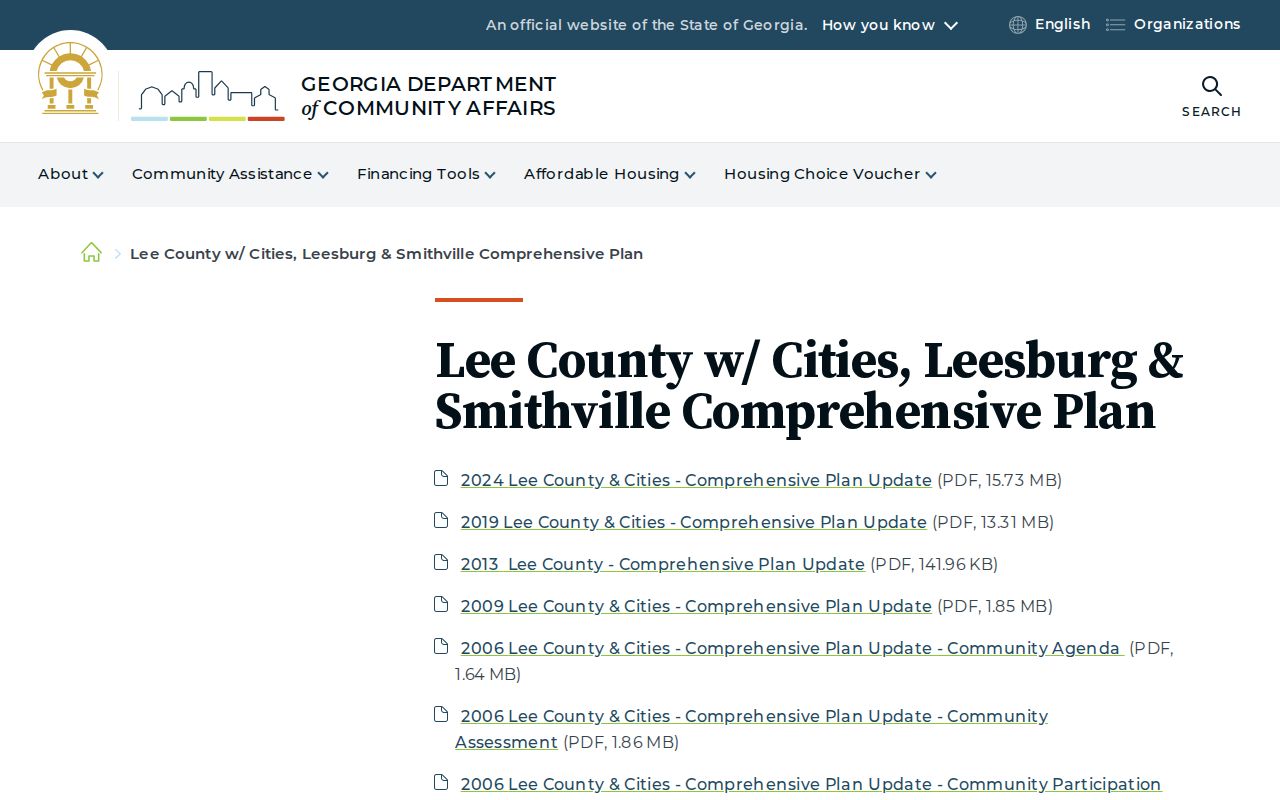
It offers planning facts, not docket entries or fees.
Requesting a Smithville Court Docket
Ask which clerk holds the citation. Give the citation number, the issue date, and the exact record sought. A chronological docket printout, a single document, and a certified copy are three different things. Say which one you need. Before sending payment, ask about format, the lawful fee, and pickup or delivery. If City Hall routes the request elsewhere, keep that office's name and contact. City clerk and court clerk may not be one person. The public pages never name the court clerk. Let careful questions fill that gap rather than guesses.
Public Access to Smithville Court Records
Ask the office that holds the file. Ordinary public records are released within legal limits, while sealed files, juvenile material, protected identifiers, and other confidential content may be withheld or redacted. A blank search proves little here. Smithville offers no public city case portal, so a missing web result says nothing about the court record itself.
Key rules:
Georgia Open Records Act, O.C.G.A. §§ 50-18-70 through 50-18-77 presumes government records open while preserving exemptions, timing, and fee rules.
Uniform Superior Court Rule 21 controls inspection and sealing if a Smithville matter reaches Superior Court.
Rule 21.6 protects identifiers and sealed pages.
Confirm release and certification with the actual municipal office. City Hall is the documented door to that conversation, not proof that its general staff keeps the court file.
Verifying a Smithville Court Record
A phone answer, a payment receipt, and a certified record serve different needs. Ask whether the citation has been filed. Ask what status appears and what date is next. When general City Hall staff answer, ask whether Municipal Court confirmed the details, and note the call date plus any routing instructions. For a formal need, request the docket or event printout and ask how certification works. No Smithville copy fee is published. Get a current amount before you pay. Keep each later notice with the citation, and ask for written confirmation of any new date given by phone. If the record moved to a Lee County court, get the receiving court and case number rather than running name searches across unrelated systems. Check the office name on each response. Use the same case key in every follow-up request.